+91 909 939 1010
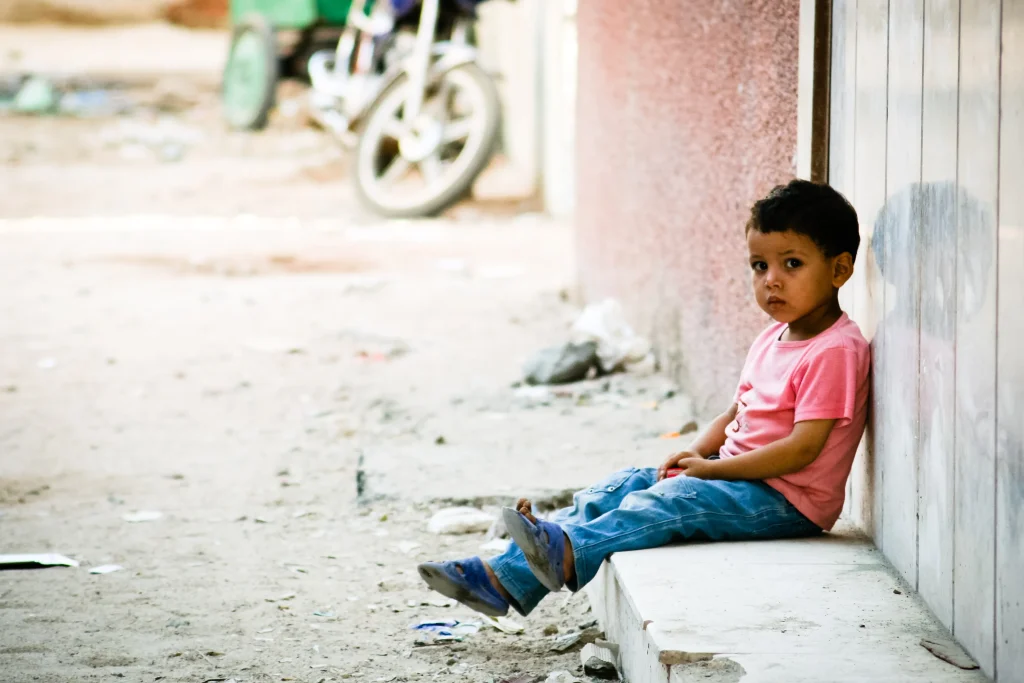
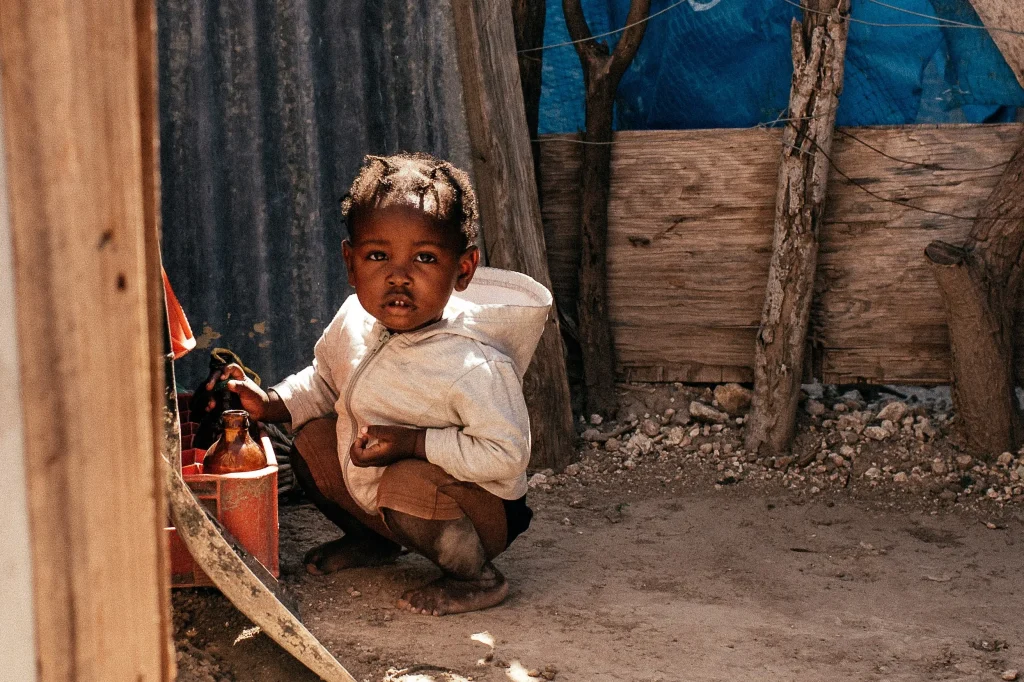
Homeless children face immense hardships that hinder their growth and well-being. Deprived of stable shelter, proper nutrition, and healthcare, they struggle to access education and opportunities for a better future. This vulnerable population often falls victim to exploitation and abuse, further deepening their plight. Despite efforts by governments and NGOs to provide support and rehabilitation, the challenges of addressing homelessness are multifaceted and require a comprehensive approach that includes safe housing, education, and emotional support to break the cycle of poverty and give these children a chance to thrive.
Current State of Homeless Children in India
Â
India has made progress in poverty alleviation, yet the plight of homeless children remains a critical issue. An estimated 18 million children live on the streets, lacking basic necessities and protection.
Â
These children are often deprived of education, healthcare, and proper shelter, leaving them vulnerable to exploitation and abuse. Many resort to begging or working in hazardous environments to survive, which further isolates them from opportunities for growth and development.
1. Lack of Shelter and Basic Amenities
Homeless children often live on the streets without proper shelter, sanitation, or access to clean water. This unsafe environment negatively impacts their health and well-being.
Â
2. Limited Access to Education
With no stable home or support system, many homeless children are unable to attend school or receive quality education, limiting their future opportunities.
Â
3. Financial Struggles
Homeless children are often forced into begging or child labor to survive, depriving them of the chance to focus on personal growth and development.
Â
4. Vulnerability to Exploitation and Abuse
Without adult supervision or protection, homeless children are more susceptible to physical abuse, trafficking, and other forms of exploitation.
Â
5. Social Stigma and Isolation
Homeless children face discrimination and exclusion from society, making it difficult for them to access healthcare, education, and other essential services.
Â
6. Lack of Emotional and Psychological Support
The absence of family support and emotional stability leads to mental health issues such as anxiety, depression, and trauma, further affecting their overall well-being.

Without proper support and care, homeless children face limited opportunities for personal growth, education, and stable employment. Their lack of shelter and protection makes them vulnerable to exploitation, abuse, and involvement in criminal activities. Additionally, poor access to healthcare leads to chronic health issues and malnutrition. As a result, society misses out on the potential creativity, talent, and contributions these children could offer to the nation’s progress.