Education is a fundamental right and a crucial tool for the development of any society. However, in rural India, many children are still deprived of basic education, which limits their opportunities and deepens the cycle of poverty. Despite efforts to improve education access, the challenges in rural areas remain complex and deeply rooted.
Current State of Education in Rural India
India has made significant strides in expanding education over the past few decades, yet rural areas lag behind urban regions. The literacy rate in rural India is around 64.7%, compared to 79.5% in urban areas. This stark difference highlights the gap in access and quality of education.
Many rural children drop out of school before completing primary education due to a range of social and economic issues.
Challenges Faced by Rural Children
1. Lack of Infrastructure
Many rural schools suffer from a shortage of classrooms, proper sanitation, clean drinking water, and electricity. This creates an environment unconducive to learning.
2. Teacher Shortage and Absenteeism
The shortage of qualified teachers is a significant problem. In many cases, even the available teachers are poorly trained or absent frequently, leading to compromised learning.
3. Financial Constraints
Poverty forces many rural children to drop out of school to contribute to household income through work in agriculture or other menial jobs.
4. Gender Inequality
Girls in rural areas face additional barriers to education due to traditional gender roles, early marriages, and safety concerns. Many families prioritize educating boys over girls.
5. Language Barriers
Rural children often speak regional dialects, while most formal education is provided in Hindi or English. This language disconnect further hinders their learning process.
6. Digital Divide
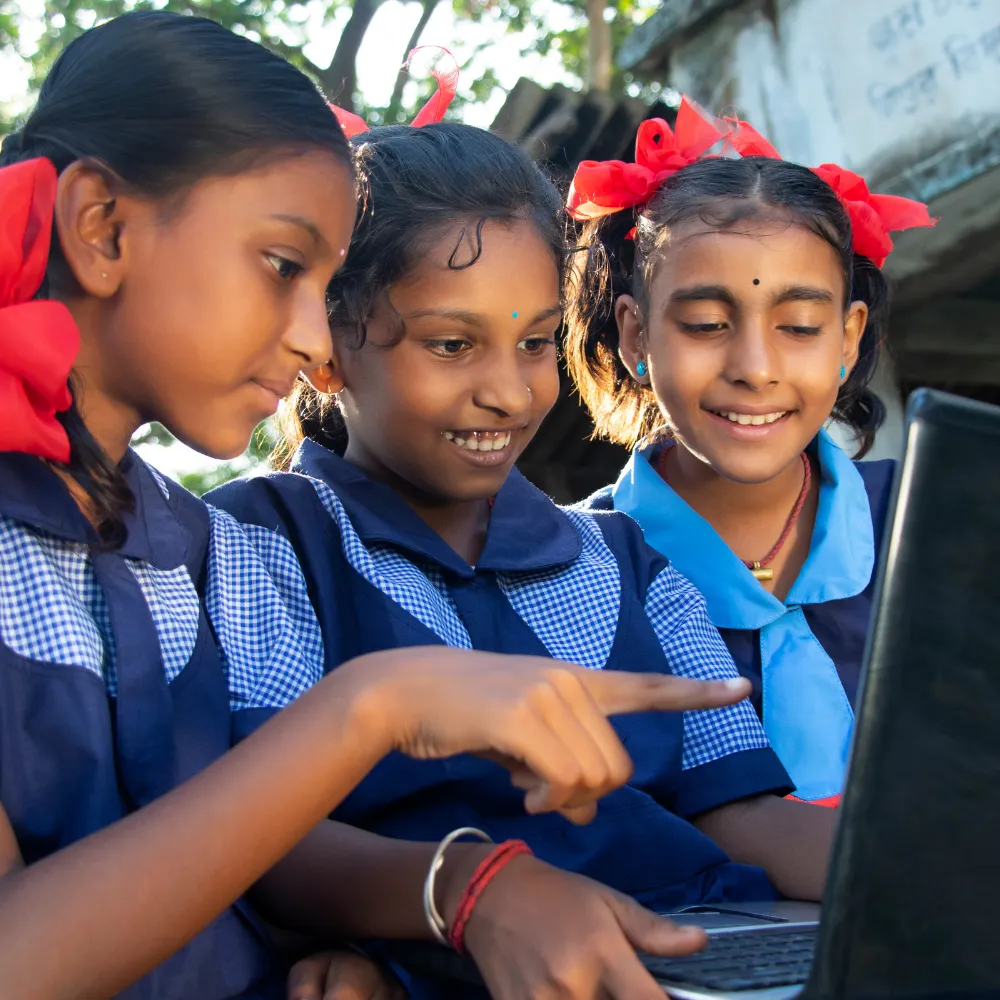
With the increasing reliance on digital learning, rural students are further marginalized due to a lack of internet access, smartphones, or computers.
The Impact of Illiteracy
Without basic education, rural children face limited career prospects, reduced income potential, and are more likely to continue living in poverty. Illiteracy also makes them vulnerable to exploitation, child labor, and poor health outcomes. Furthermore, the nation loses out on the potential talent and innovation that could arise from these children.